
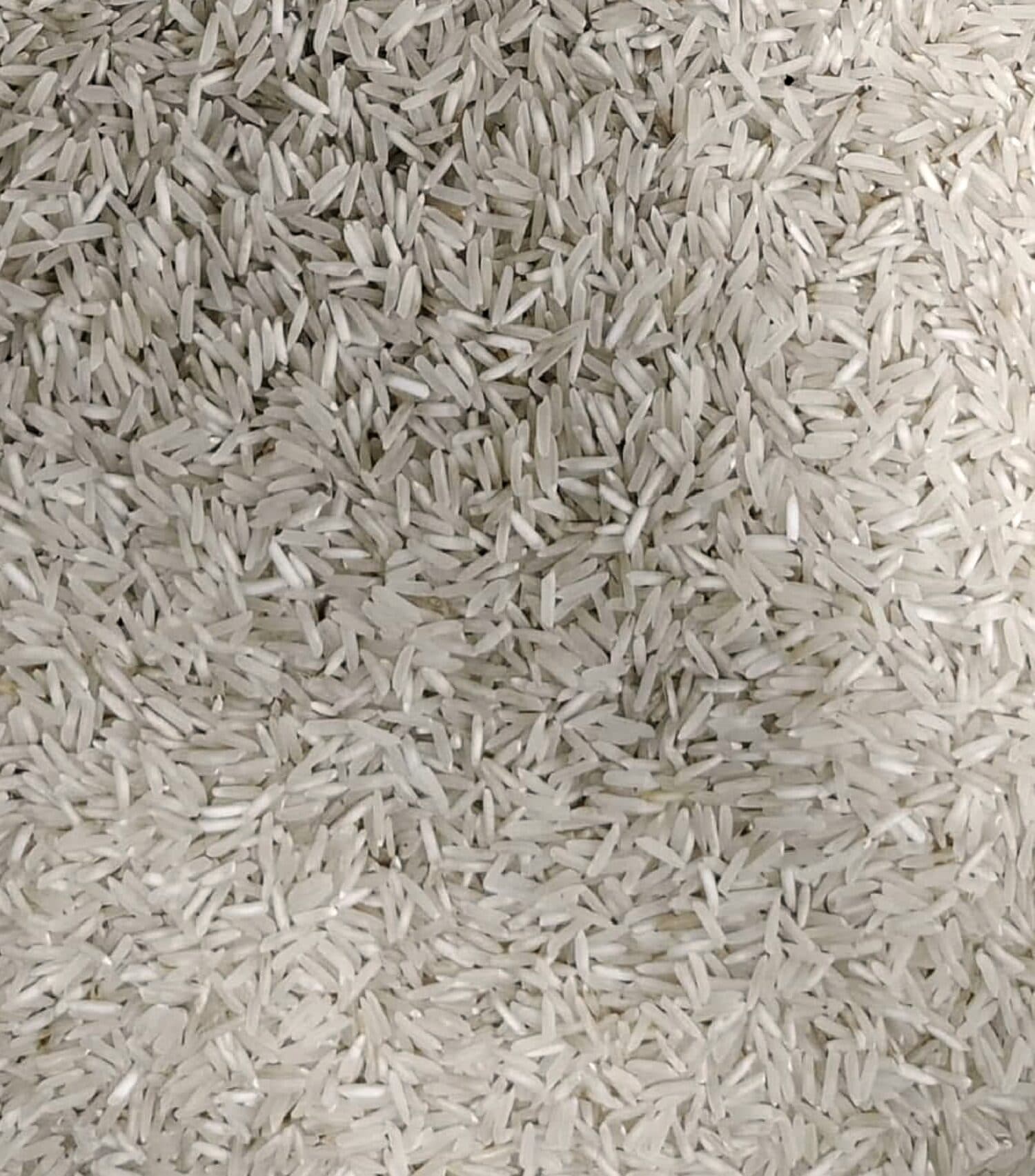
Eight grades. One cleaning standard.
What separates the grades is grain length and how each behaves in the pot. What does not change is how carefully any of them is cleaned.
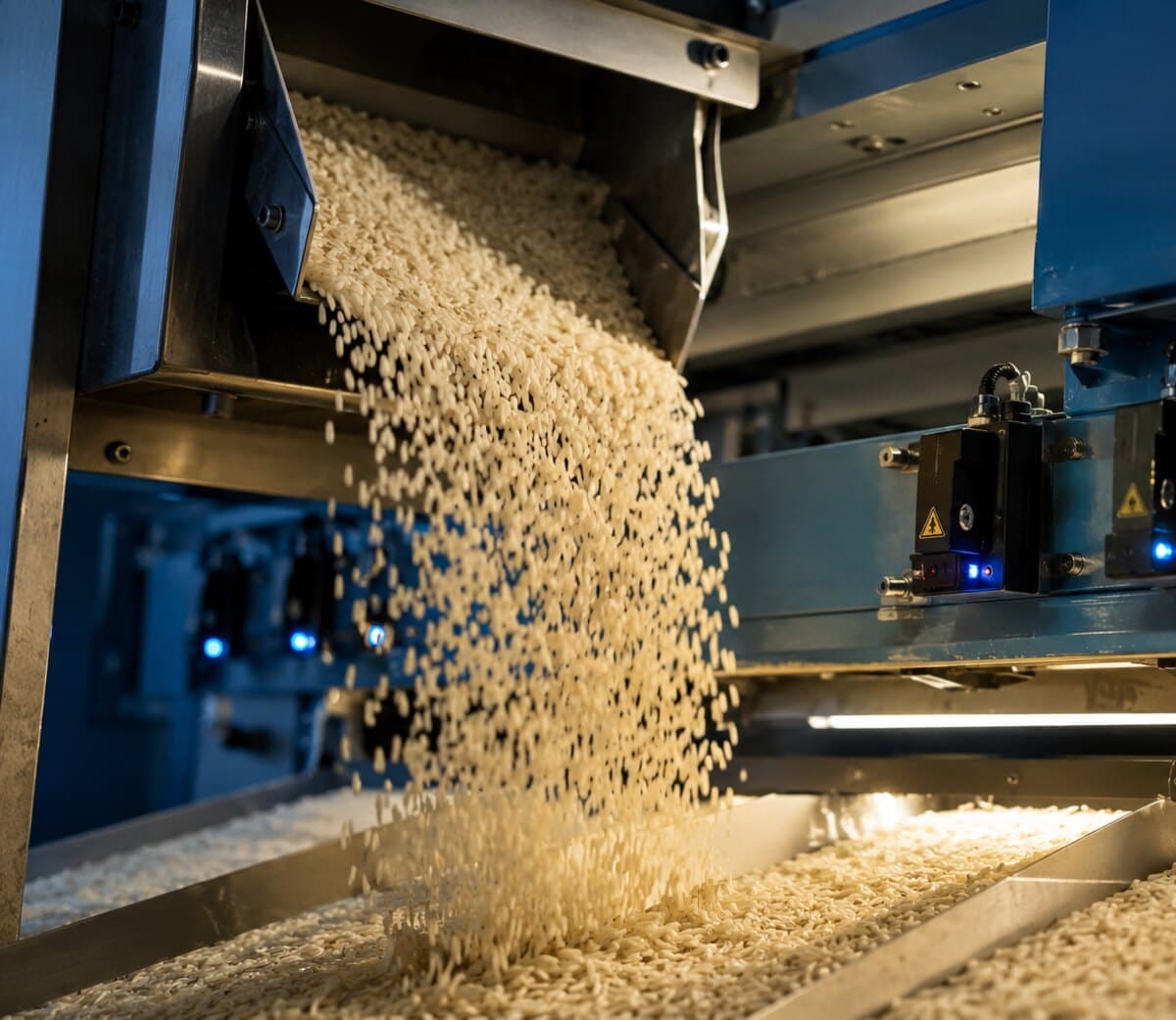
Checked at every stage, not just the last one
Six gates, on every batch, whichever grade it becomes. Each one names the stages it follows.
- 01
At intake
after Paddy filling
Paddy is chosen for consistent moisture, grain size and purity before anything else happens to it.
Moisture · size · purity
- 02
After cleaning
after Vibro classifier · Destoner
Straw, stones, dust and heavy foreign matter have to be gone before the grain goes anywhere near a roller.
Stones · straw · dust
- 03
After conditioning
after Steamer · Dryer · Silo
Moisture is checked across the batch, not at one point — uneven paddy mills unevenly and breaks.
Moisture · grain strength
- 04
Through milling
after Husker · Paddy separator · Whitener · Sifter
Breakage is watched at every pass. Anything still unhusked is separated out and sent back round rather than carried forward.
Breakage · bran · unhusked paddy
- 05
At sortex and grading
after Sortex · Grading
Optical sorting pulls discoloured and damaged grains; what is left is separated by length into the eight named grades.
Colour · damage · length
- 06
Before it is sealed
after Metal detector · Packaging
A metal detector clears the stream, then weight and seal are checked on the pack itself.
Metal · weight · seal
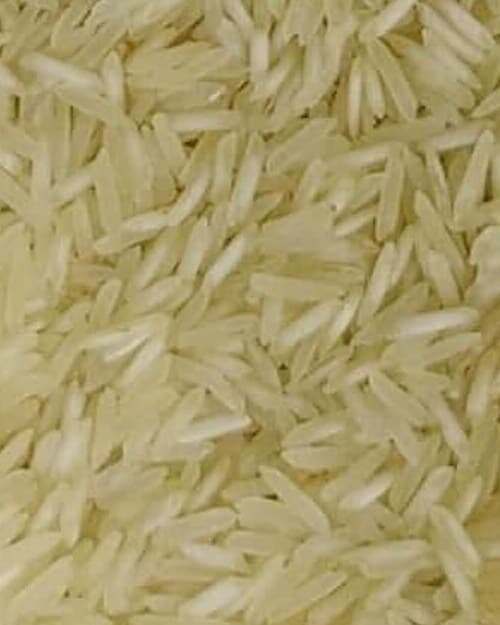
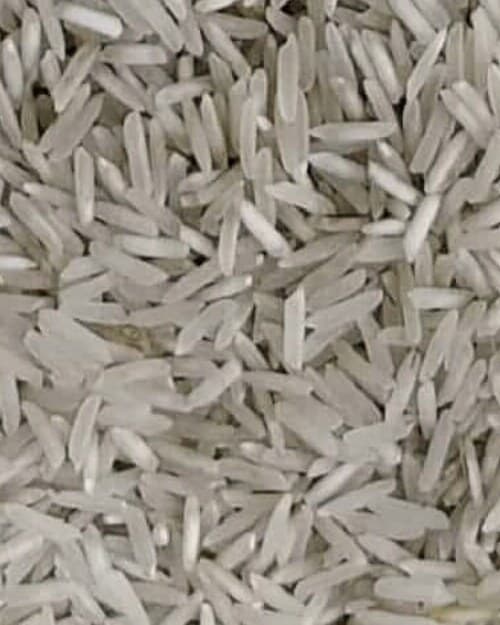
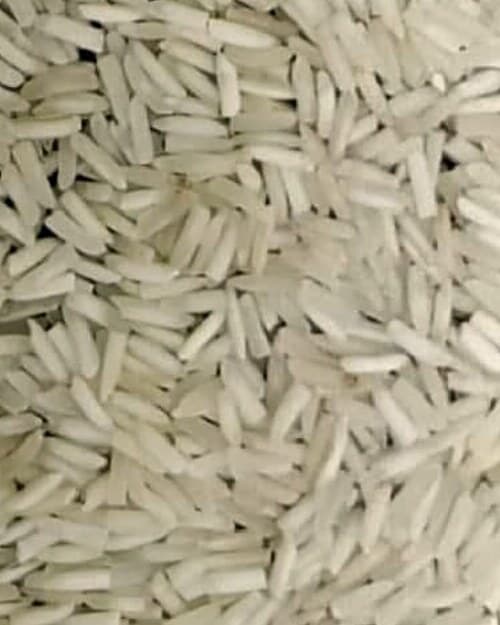
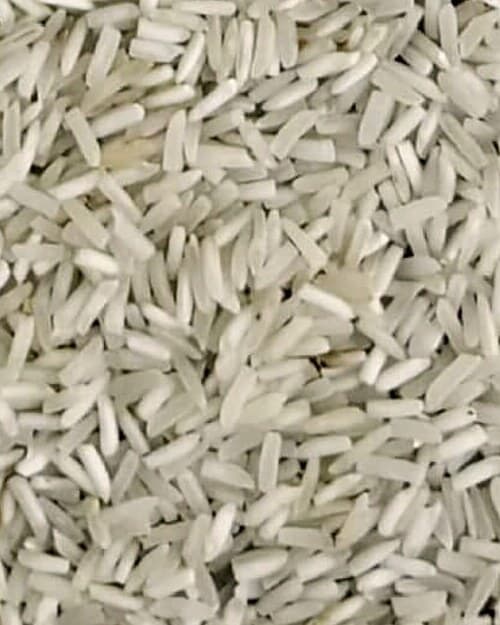
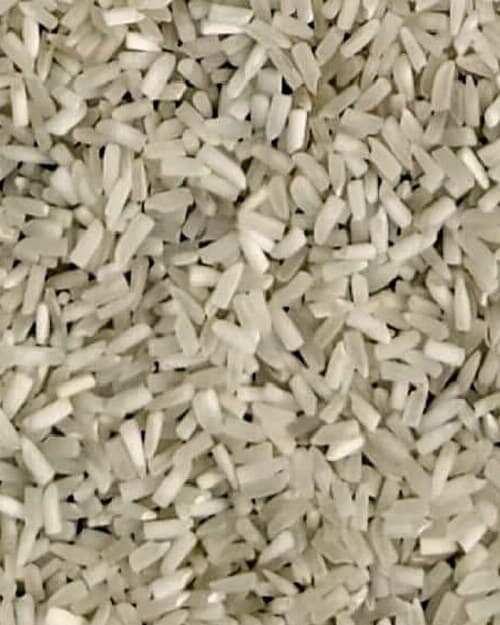
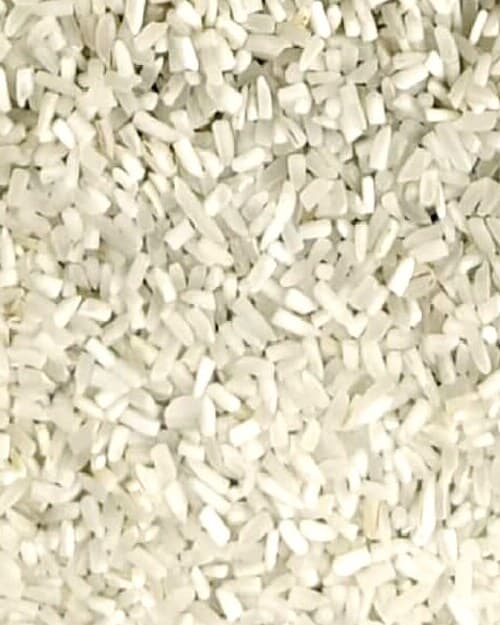
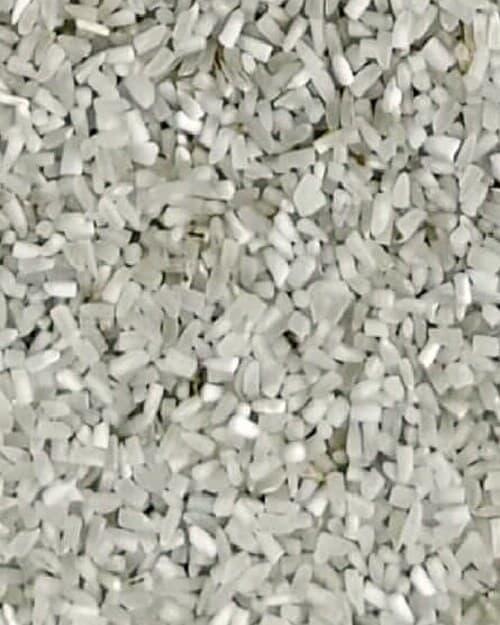
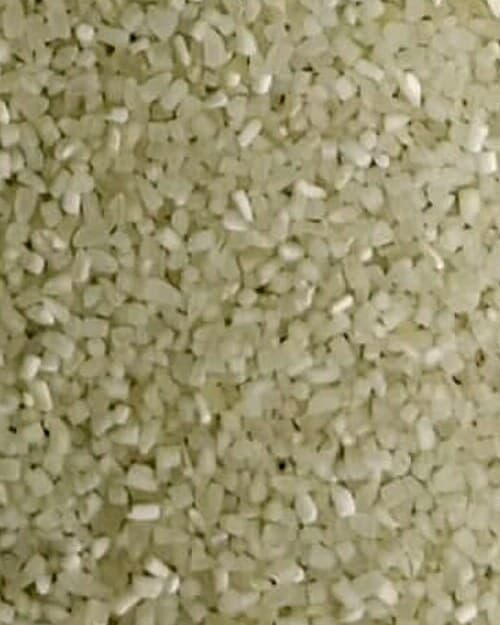
The same clean, eight times over
Every grade below leaves the same line. The difference you can see is length, not cleanliness.
Sixteen stages, in five moves
Every grain that leaves the mill has been through all of them. Nothing is skipped for one grade and run for another.
Intake and cleaning
Nothing reaches a roller until the foreign matter is out.
2 stages · 01–02
- 01
Paddy filling
Freshly procured paddy is received and fed into the processing line.
- 02
Vibro classifier
Removes large impurities — straw, stones, dust and other foreign particles.
Conditioning
Steam, heat and rest, so the grain mills strong instead of shattering.
3 stages · 03–05
- 03
Steamer
Paddy is steamed to gelatinise the starch, improving grain strength and milling quality.
- 04
Dryer
Steamed paddy is dried to the optimal moisture level for efficient milling.
- 05
Silo
Dried paddy is rested and conditioned to achieve uniform moisture distribution.
Husking
The husk comes off; anything still wearing one goes back round.
4 stages · 06–09
- 06
Milling plant
Conditioned paddy enters the main milling line for further processing.
- 07
Destoner
Removes stones and heavy impurities that may have remained after cleaning.
- 08
Husker
Removes the outer husk from the paddy to create brown rice.
- 09
Paddy separator
Separates unhusked paddy from brown rice for reprocessing.
Whitening and polish
Bran off, brokens out, finish on — with as little breakage as the line allows.
3 stages · 10–12
- 10
Whitener
Removes the bran layers to produce polished white rice while minimising grain breakage.
- 11
Sifter
Separates broken rice from whole kernels based on size.
- 12
Silky
Gives the rice a smooth, glossy finish and enhances its appearance.
Sorting and dispatch
Where the eight grades are actually made, and the last thing checked before the seal.
4 stages · 13–16
- 13
Sortex
Optical sensors remove discoloured, damaged and defective grains.
- 14
Grading
Classifies rice into the named grades by length, size and quality.
- 15
Metal detector
Detects and removes any metallic contaminants, for food safety.
- 16
Packaging
The finished rice is weighed, packed, sealed and prepared for dispatch.
Registrations and approvals

FSSAI licence
Food Safety and Standards Authority of India
11422030000012

ZED Gold certification
Zero Defect Zero Effect · MSME, Government of India
16052026_868342
Certificate of Incorporation
Ministry of Corporate Affairs
U15400DL2020PTC372031

LEI registration
Legal Entity Identifier
9845009B9CCP0001F631
Udyam registration
Ministry of Micro, Small and Medium Enterprises
UDYAM-MP-35-0001547